“Salad is not the answer to food insecurity. What’s really needed from a food security standpoint are things that go in stew”—hearty produce such as root crops and fruiting vegetables.
—Dr. Andrew Spring, Canada Research Chair in Northern Sustainable Food Systems.
COMMUNITY-LED
SOVEREIGN FOOD
INFRASTRUCTURE
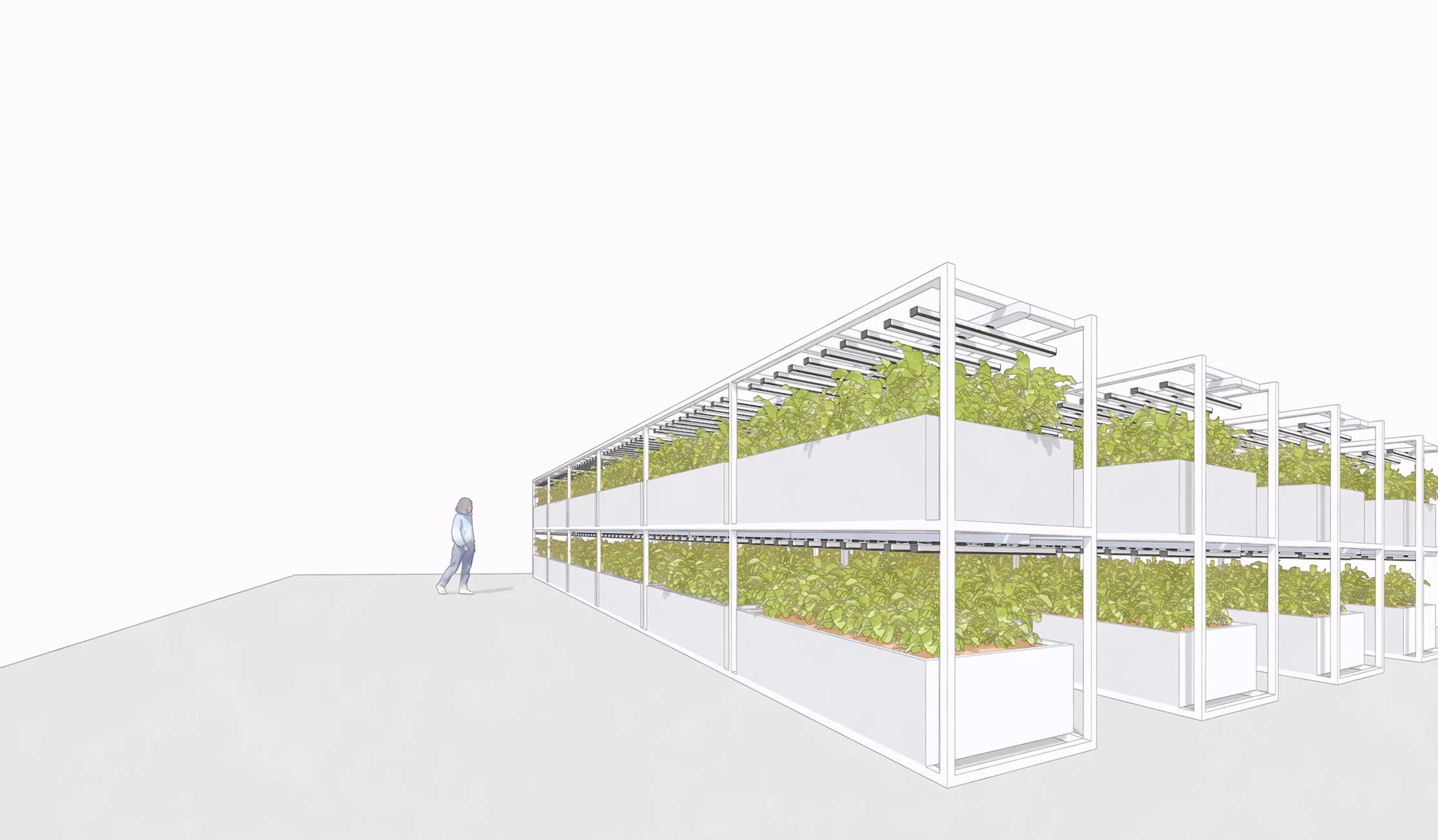
Sea to Sky Botanics has pioneered the first commercially available, vertically stacked, passively irrigated, living-soil growing system, built on nearly a decade of product testing and commercial sub-Arctic installations.
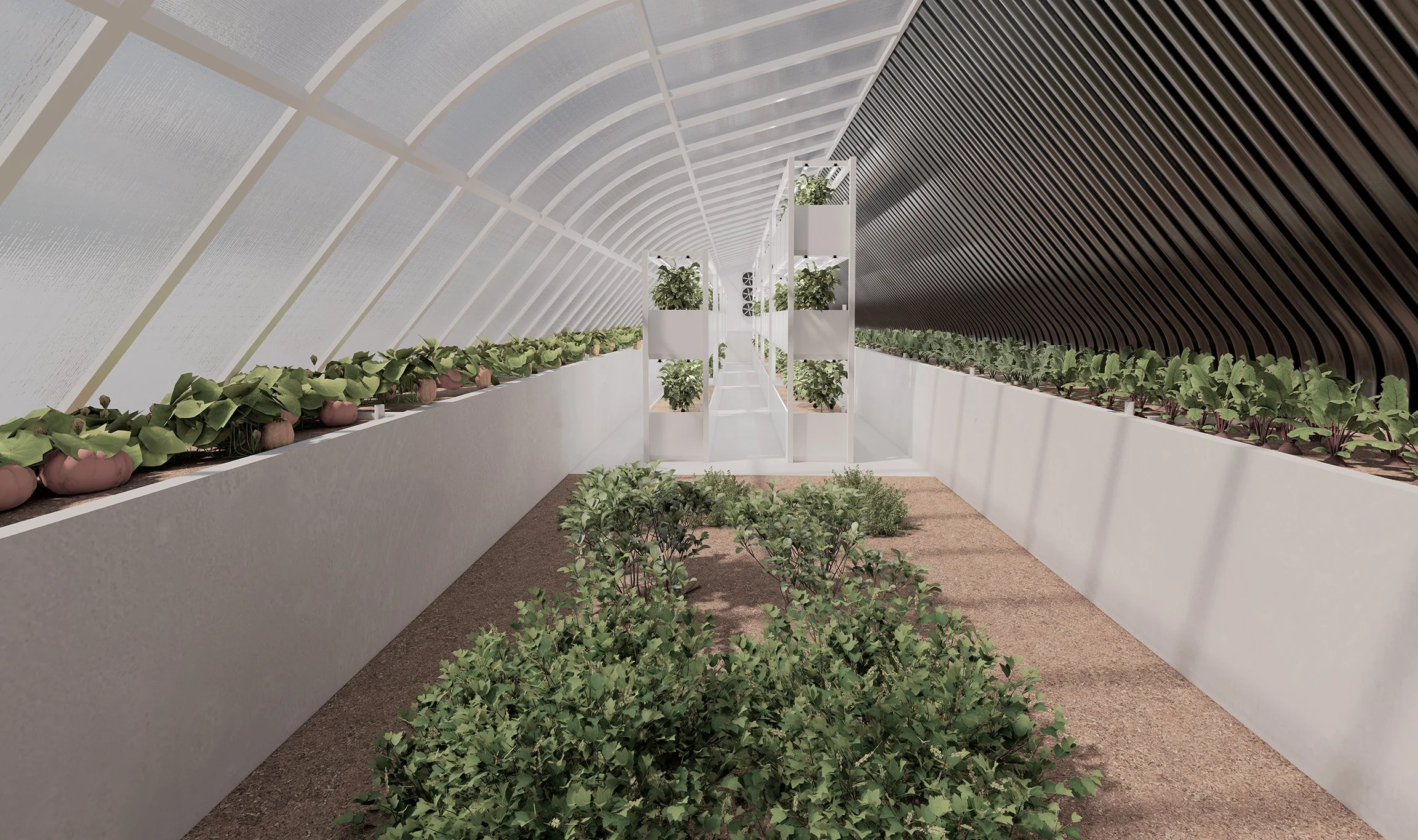
With the ability to grow high-density root crops, fruiting vegetables, berry crops and culturally significant plants, our proprietary growing system addresses the need for calorically dense local food production in remote communities while prioritizing lower operational complexity, long-term maintainability and flexibility that responds to community needs and priorities.
Our growing system can be used in our greenhouses, as a retrofit for existing hydroponic container farms and within existing facilities such as warehouses or schools.
LIMITATIONS OF CURRENT TECHNOLOGY
The current mainstream approach to indoor farming in remote communities relies on hydroponic container farms. These farms cost upwards of $340,000, have steep learning curves and are generally limited to growing leafy greens and herbs. As Dr. Andrew Spring, Canada Research Chair in Northern Sustainable Food Systems, says, “Salad is not the answer to food insecurity. What’s really needed from a food security standpoint are things that go in stew”—hearty produce such as root crops and fruiting vegetables. Repairs to hydroponic farms are also difficult when parts and technicians need to travel to isolated areas.
SEA TO SKY BOTANICS’ TECHNOLOGY
Our growing system is currently the only commercially available, vertically stacked, passively irrigated, living-soil growing system that is also adaptable to any kind of indoor environment. Unlike competitors whose hydroponic systems use complex infrastructure and are restricted to growing leafy greens and herbs, our technology cultivates high-density root crops, fruiting vegetables, berry crops and culturally significant plants using a system design that is easy to use and maintain.
At the core of our growing system is a non-electrically driven, passive-irrigation technology with an integrated water reservoir that requires replenishing only once every two to four weeks. This design provides critical resilience for remote communities subject to climate disruptions, such as wildfire or flood evacuations, and ensures crop survival during extended periods of minimal human oversight.
BENEFITS OF OUR TECHNOLOGY
Responds to local needs by providing community-led infrastructure, thus enhancing food sovereignty and access to culturally significant plants
Has an extremely shallow learning curve and is easy to repair
Is resilient to extended periods of minimal human oversight
Can grow root crops, fruiting vegetables, berry crops and culturally significant plants
Uses beneficial microbiology and organic fertilizers; unlike hydroponically grown plants that use synthetic fertilizers, this means healthier plants that receive the trace elements they need for optimal health
Includes long-term maintainability plans and support such as soil testing
Provides skills and knowledge that are entirely transferable to the outdoor environment
CROP TRIALS
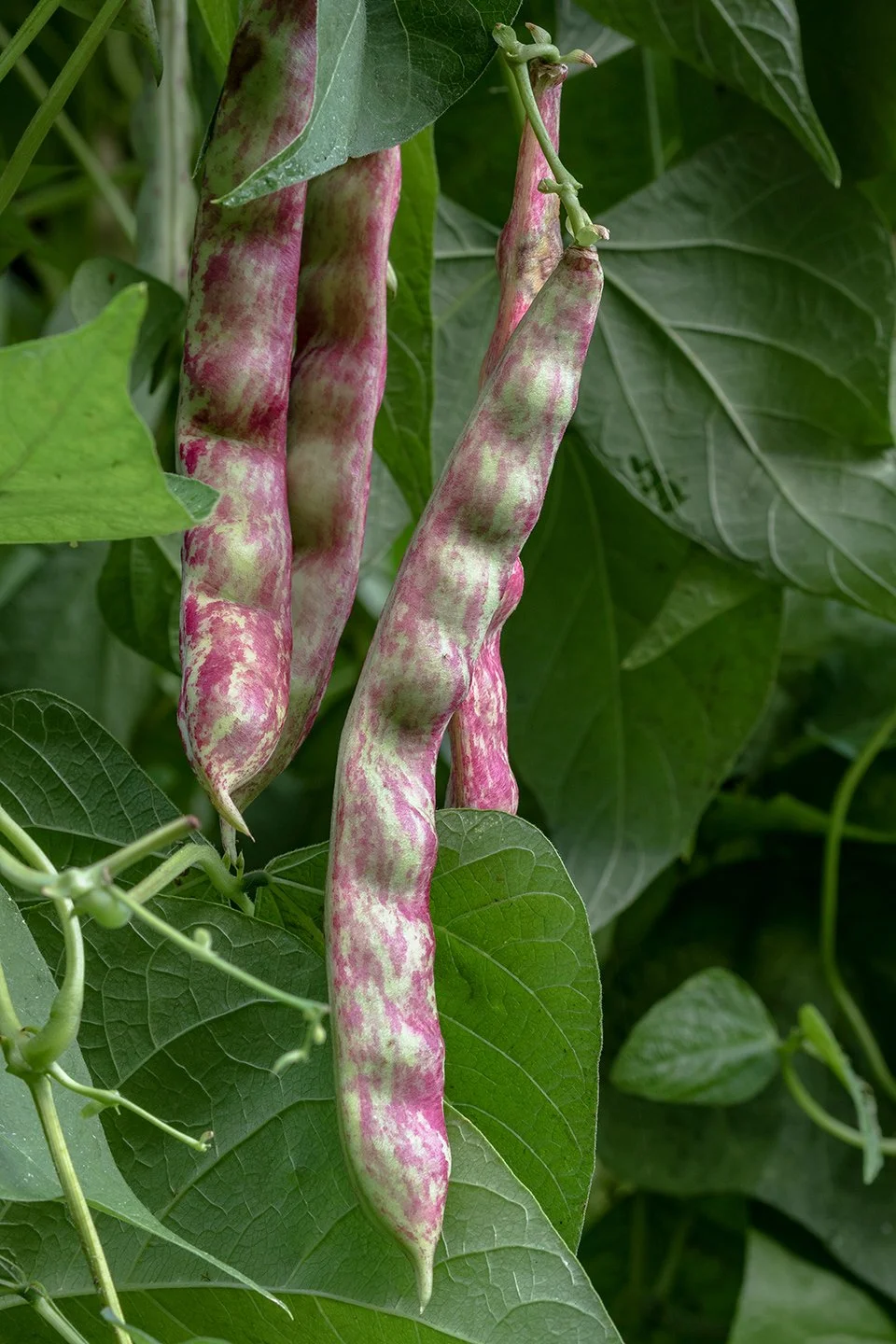
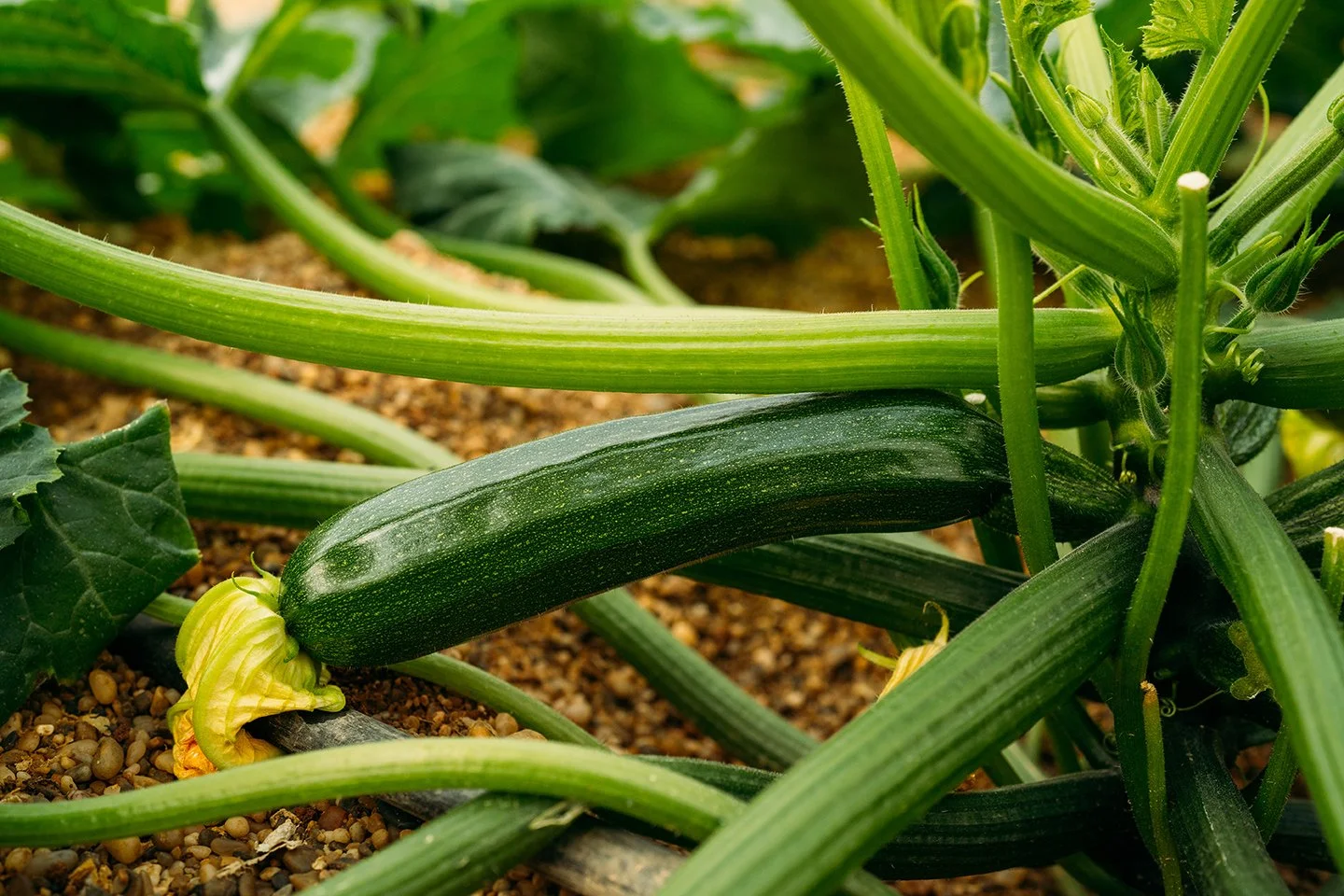
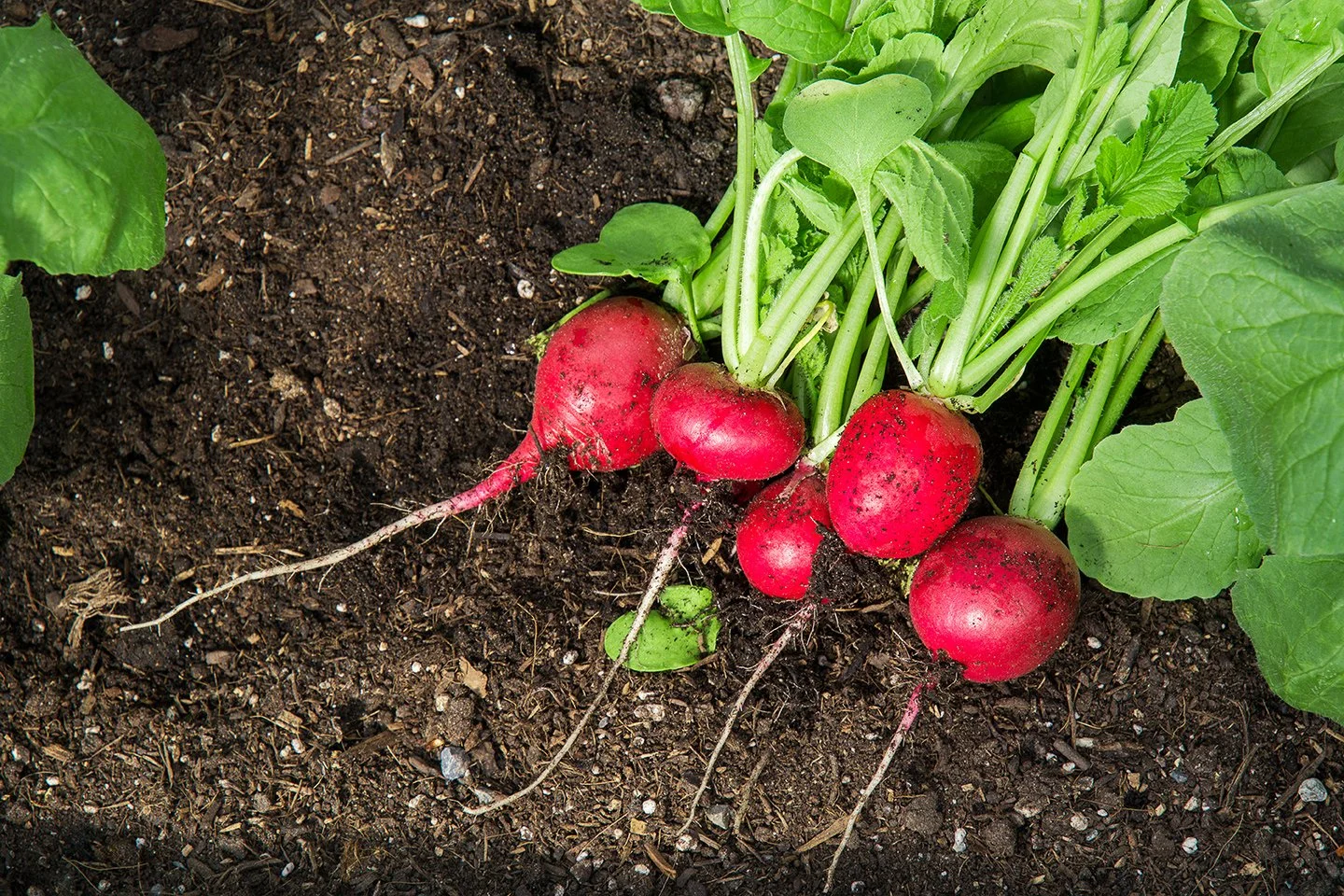
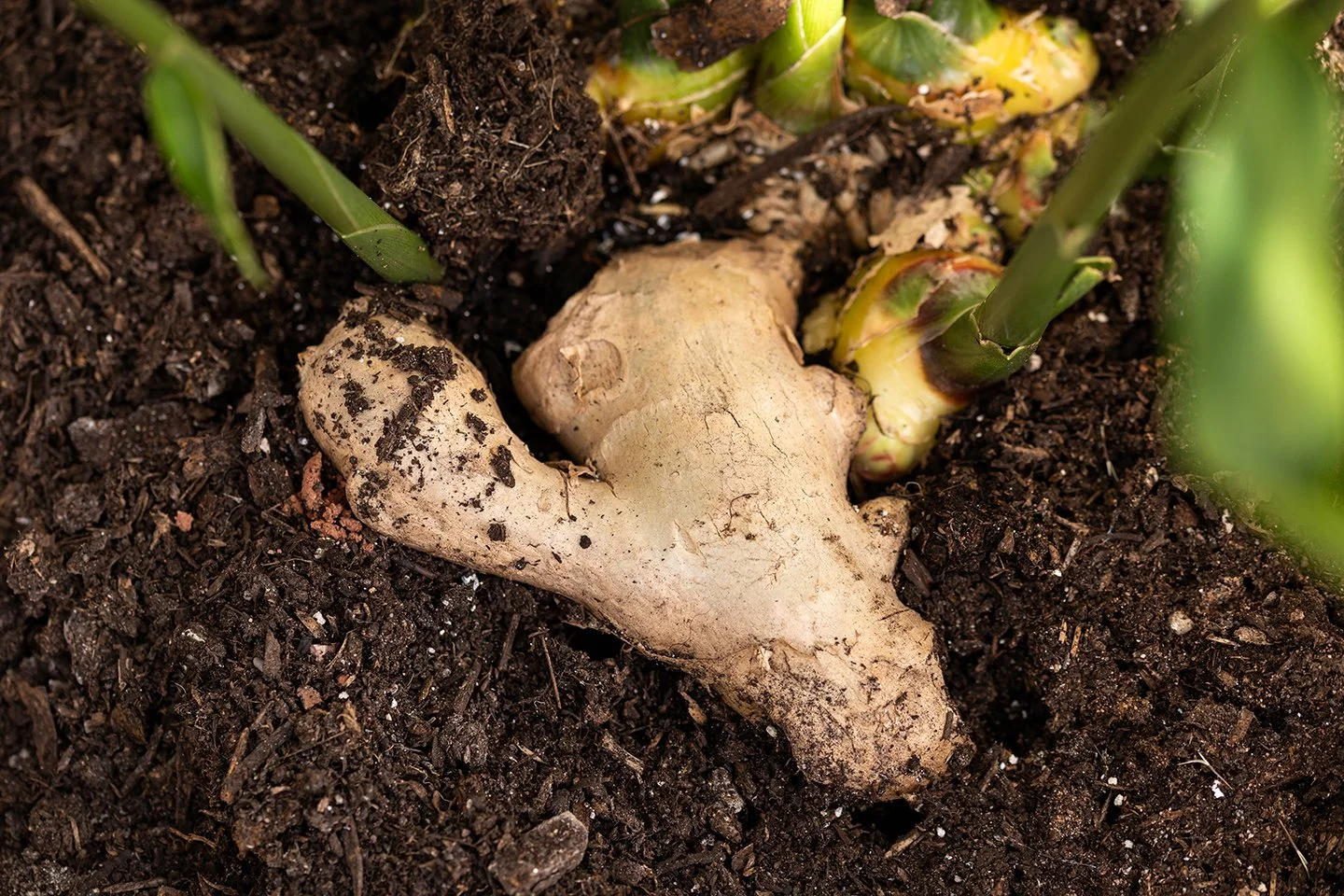
In addition to leafy greens and herbs, our growing system has successfully grown beets, carrots, radishes, zucchini, tobacco, ginger, beans, vine tomatoes, cherry tomatoes, peppers, cucumbers and strawberries. These successful trials were all conducted in various indoor environments throughout the winter months in northern Canada. Our future crop trials will include potatoes, yams, bush peas, turnips, parsnips, garlic, onions, cabbage and turmeric.
Contact us for pricing and specifications.